
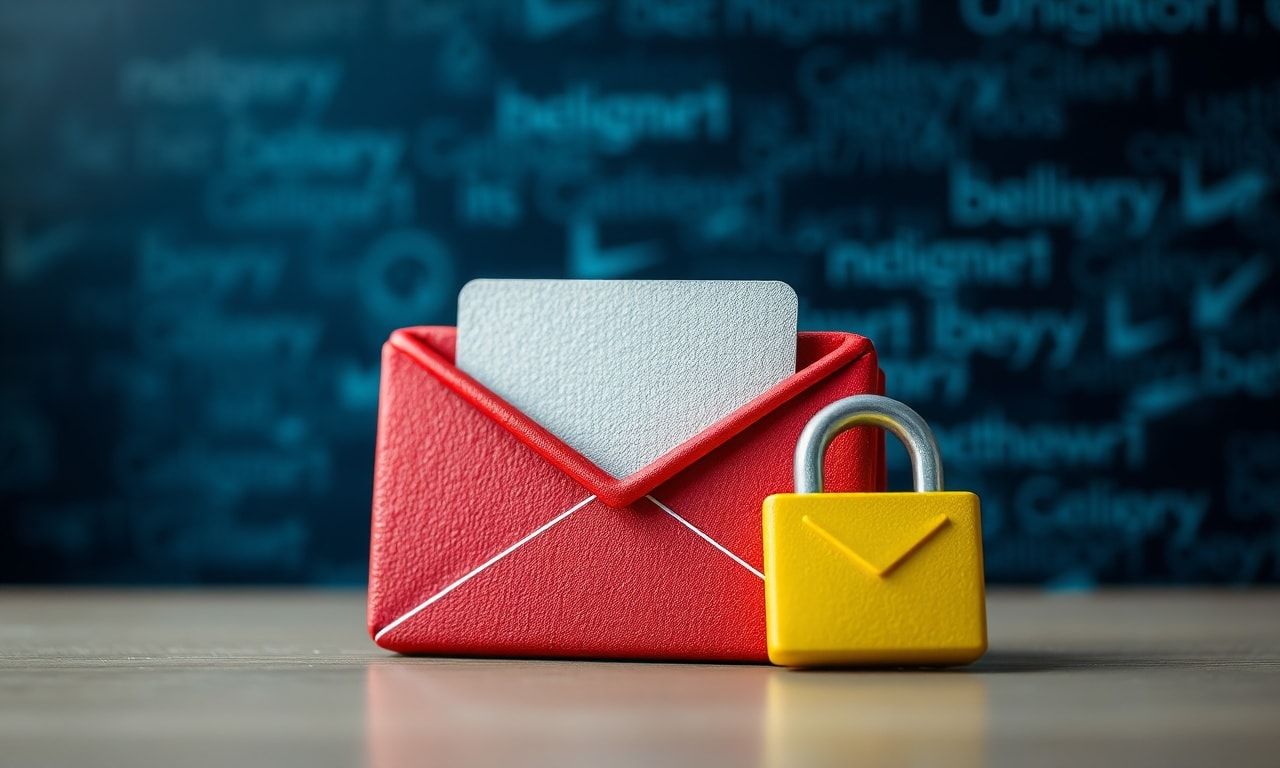
The Importance of Email Security
In the digital age, email remains one of the most crucial communication tools, both for personal and professional use. Gmail, with its user-friendly interface and robust features, has become a favorite for millions worldwide. However, the increasing prevalence of cyber threats necessitates a deeper understanding of email security. Protecting your Gmail account is not just about safeguarding your personal information but also about ensuring the integrity of your digital communications.
Understanding Common Threats
Cybercriminals employ various tactics to compromise email accounts. Phishing, for instance, involves sending fraudulent emails that appear legitimate to trick users into revealing sensitive information. Malware attacks, on the other hand, can infiltrate your system through malicious attachments or links. Understanding these threats is the first step in fortifying your Gmail account against potential breaches.
Phishing Attacks
Phishing attacks are particularly insidious because they exploit human psychology. These emails often mimic legitimate sources, such as banks or popular services, to deceive users. They may contain urgent requests for password resets or account verifications, prompting users to click on malicious links. To combat phishing, always verify the sender’s email address and hover over links to check their legitimacy before clicking.
Malware and Ransomware
Malware and ransomware are designed to damage, disrupt, or gain unauthorized access to your system. These malicious programs can be hidden in email attachments or downloads. To protect your Gmail account, avoid opening attachments from unknown senders and use antivirus software to scan your emails. Regularly updating your software ensures that you have the latest security patches to defend against new threats.
Enhancing Gmail Security
Gmail offers several built-in security features that users can leverage to enhance their account protection. Two-factor authentication (2FA), for example, adds an extra layer of security by requiring a second form of verification alongside your password. Additionally, enabling alerts for suspicious activity can help you detect and respond to potential breaches promptly.
Two-Factor Authentication
Two-factor authentication is a simple yet effective security measure. By enabling 2FA, you ensure that even if your password is compromised, unauthorized access is still prevented. Gmail supports various 2FA methods, including SMS codes, authenticator apps, and physical security keys. Setting up 2FA is straightforward and can significantly reduce the risk of account takeover.
Security Alerts and Notifications
Gmail provides security alerts and notifications that inform you of any suspicious activity on your account. These alerts can include login attempts from unfamiliar devices or locations. Enabling these notifications ensures that you are always aware of potential security threats and can take immediate action to mitigate them.
The Role of AI in Email Security
Artificial intelligence (AI) is revolutionizing email security by enabling more sophisticated threat detection and response mechanisms. AI-powered tools can analyze email patterns, identify anomalies, and detect phishing attempts with high accuracy. These advancements are crucial in staying ahead of cybercriminals who continuously evolve their tactics.
AI-Powered Threat Detection
AI algorithms can process vast amounts of data to identify patterns and anomalies that may indicate a security threat. For instance, machine learning models can analyze email content, sender behavior, and attachment types to detect phishing attempts and malware. By integrating AI into your email security strategy, you can enhance your ability to detect and respond to threats in real-time.
Automated Response Mechanisms
AI-driven automated response mechanisms can quickly isolate and neutralize threats, minimizing the impact of security breaches. These systems can automatically quarantine suspicious emails, block malicious attachments, and alert users to potential threats. By leveraging AI, you can create a proactive security posture that adapts to emerging threats.
Best Practices for Gmail Users
In addition to utilizing Gmail’s built-in security features, adopting best practices can further enhance your account protection. Regularly updating your password, using strong and unique passwords, and being cautious of popüler filmler izleme listesi and other suspicious links are essential steps in maintaining email security. Educating yourself about common cyber threats and staying informed about the latest security trends can also help you stay one step ahead of cybercriminals.
Regular Password Updates
Regularly updating your password is a simple yet effective security measure. Using strong, unique passwords that include a combination of letters, numbers, and special characters can make it harder for cybercriminals to guess your password. Avoid using easily guessable information, such as your name or birthdate, in your passwords.
Educating Yourself on Cyber Threats
Staying informed about the latest cyber threats and security trends is crucial in maintaining email security. Regularly reading articles and attending webinars on cybersecurity can help you understand the evolving tactics of cybercriminals and adopt appropriate countermeasures. By being proactive and vigilant, you can significantly reduce the risk of falling victim to email-based attacks.
Dive into the latest advancements in tech security with our feature on cutting-edge tech and safety solutions, exploring innovations that are shaping the future of cybersecurity.
