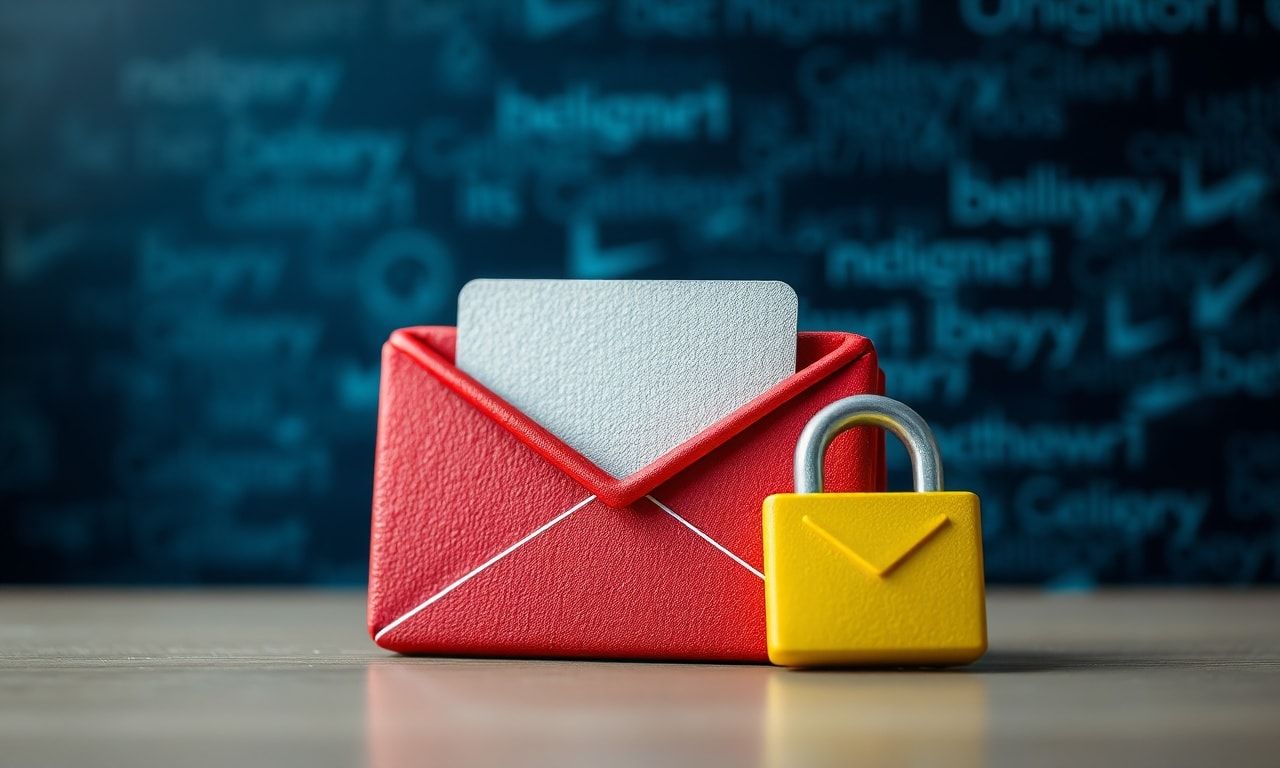
The Importance of Email Security
In the digital age, email remains one of the most critical communication tools, both for personal and professional use. Gmail, with its user-friendly interface and robust features, has become a popular choice for millions of users worldwide. However, the increasing prevalence of cyber threats necessitates a deeper understanding of email security. Protecting your Gmail account is not just about safeguarding your personal information but also about ensuring the integrity of your communications.
Understanding Common Threats
Cybercriminals employ various tactics to compromise email accounts. Phishing, for instance, involves sending fraudulent emails that appear legitimate to trick users into revealing sensitive information. Malware attacks can also occur through malicious attachments or links. Understanding these threats is the first step in fortifying your Gmail account. Regularly updating your software and being cautious of unsolicited emails can significantly reduce the risk of falling victim to these attacks.
Phishing Attacks
Phishing attacks are particularly insidious because they exploit human psychology. Attackers often impersonate trusted entities, such as banks or social media platforms, to lure users into providing login credentials or other sensitive data. Gmail users should be vigilant and verify the authenticity of emails before clicking on any links or downloading attachments. Tools like two-factor authentication (2FA) can add an extra layer of security, making it harder for attackers to gain unauthorized access.
Malware and Ransomware
Malware and ransomware are other significant threats to email security. Malware can infect your device and steal sensitive information, while ransomware encrypts your files and demands payment for their release. To protect against these threats, users should avoid opening suspicious emails and attachments. Regularly backing up important data can also mitigate the impact of a ransomware attack. Additionally, using reputable antivirus software can help detect and remove malicious programs.
Best Practices for Gmail Security
Implementing best practices for Gmail security can significantly enhance your protection against cyber threats. One of the most effective measures is enabling two-factor authentication, which requires a second form of verification in addition to your password. This can be a text message, an authentication app, or a physical security key. Regularly updating your password and using a strong, unique password for your Gmail account is also crucial. Avoid using easily guessable information, such as your name or birthdate, in your passwords.
Regular Software Updates
Keeping your software up to date is another essential practice. Software updates often include security patches that address vulnerabilities exploited by cybercriminals. Ensuring that your operating system, web browser, and antivirus software are current can help protect your Gmail account from the latest threats. Additionally, being cautious of public Wi-Fi networks and using a virtual private network (VPN) can add an extra layer of security when accessing your email on the go.
Educating Yourself and Others
Education is a powerful tool in the fight against cyber threats. Staying informed about the latest security trends and best practices can help you make informed decisions. Sharing this knowledge with friends, family, and colleagues can create a more secure digital environment for everyone. For more insights into cybersecurity and technology, check out popular articles recommended reading.
The Future of Email Security
The landscape of email security is continually evolving, with new technologies and strategies emerging to combat cyber threats. Artificial intelligence (AI) and machine learning (ML) are playing an increasingly significant role in detecting and preventing email-based attacks. AI-powered tools can analyze patterns and anomalies in email traffic, identifying potential threats in real-time. As these technologies advance, they will become even more effective in protecting users from sophisticated cyber threats.
AI and Machine Learning
AI and ML are revolutionizing the field of cybersecurity. These technologies can process vast amounts of data and identify patterns that human analysts might miss. For example, AI can detect phishing emails by analyzing the language, sender information, and other metadata. ML algorithms can also adapt and improve over time, becoming more accurate in their threat detection capabilities. As AI and ML continue to evolve, they will play a crucial role in safeguarding email accounts and other digital assets.
Biometric Authentication
Biometric authentication is another emerging technology that has the potential to enhance email security. Biometric identifiers, such as fingerprints, facial recognition, and voice recognition, offer a more secure and convenient way to verify user identity. Unlike passwords, which can be forgotten or stolen, biometric identifiers are unique to each individual. Implementing biometric authentication for Gmail accounts can provide an additional layer of security, making it more difficult for cybercriminals to gain unauthorized access.
Conclusion
Protecting your Gmail account from cyber threats requires a combination of awareness, best practices, and advanced technologies. By understanding the common threats and implementing security measures like two-factor authentication, regular software updates, and AI-powered tools, you can significantly enhance your email security. Staying informed about the latest developments in cybersecurity and sharing this knowledge with others can create a safer digital environment for everyone. As technology continues to evolve, so too will the strategies for protecting our digital communications.
As tech and finance continue to intersect, understanding the financial landscape is crucial; dive into key insights for 2023 to stay ahead in the digital economy.
As tech and AI continue to influence our daily lives, it’s fascinating to see how they’re reshaping even the most traditional industries; discover how with seasonal hair trends and tech.
In the rapidly evolving tech landscape, it’s crucial to stay informed about legal aspects. Discover key insights on your rights in tech law to better navigate the industry.