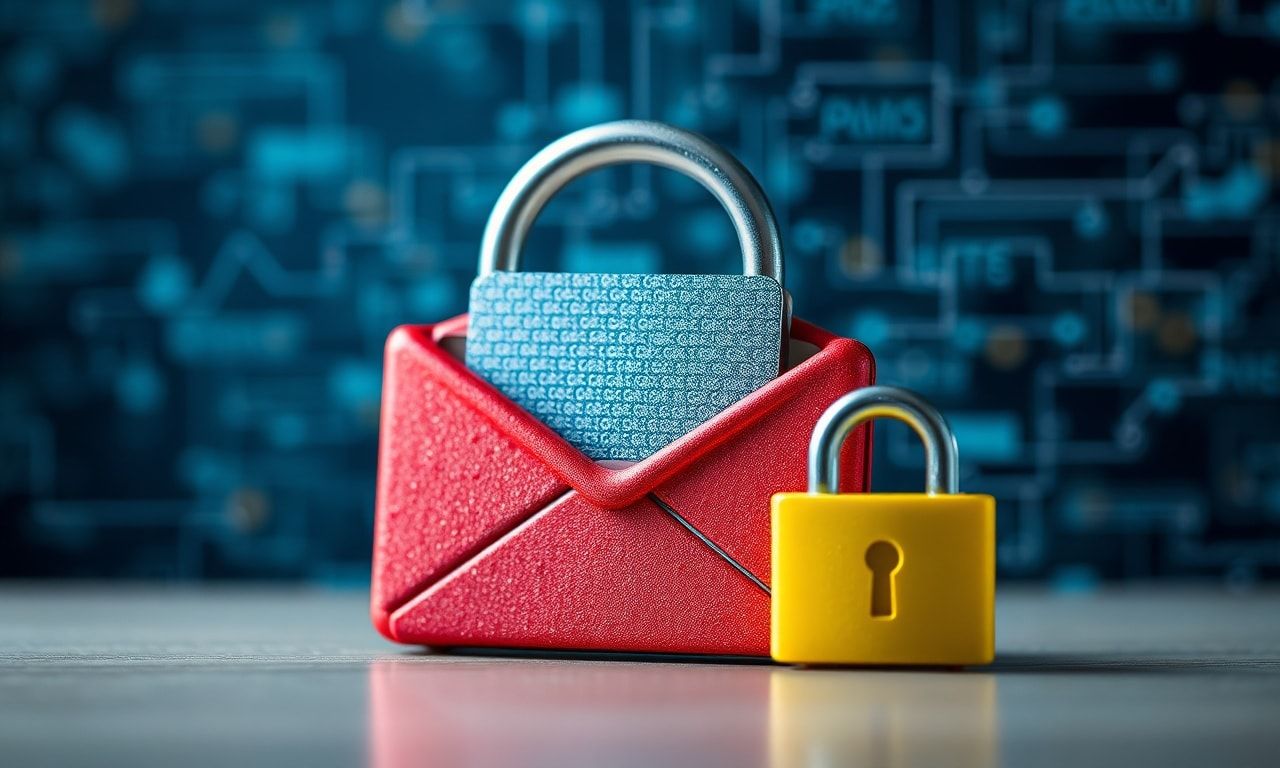
The Importance of Email Security
In the digital age, email remains one of the most critical communication tools, both for personal and professional use. With the increasing sophistication of cyber threats, ensuring the security of your email account is paramount. Gmail, being one of the most widely used email services, offers a robust set of security features. However, users must also be proactive in safeguarding their accounts. This article delves into the evolution of email security, the current threats, and how to protect your Gmail account effectively.
Evolution of Email Security
Email security has evolved significantly over the years. Initially, basic passwords were the only line of defense. However, with the rise of phishing attacks, malware, and other cyber threats, email providers have had to innovate. Gmail, for instance, has introduced features like two-factor authentication (2FA), advanced spam filters, and AI-driven threat detection. These advancements have made it harder for cybercriminals to breach accounts. Nevertheless, users must stay informed about these features and utilize them to their fullest potential.
Two-Factor Authentication (2FA)
Two-factor authentication is a critical security measure that adds an extra layer of protection to your Gmail account. By requiring a second form of identification, such as a text message code or an authentication app, 2FA significantly reduces the risk of unauthorized access. Gmail users are encouraged to enable 2FA to enhance their account security. This feature is particularly important for those who handle sensitive information or conduct financial transactions via email.
Advanced Spam Filters
Gmail’s advanced spam filters use machine learning algorithms to identify and block suspicious emails. These filters continuously learn from user behavior and emerging threats to improve their accuracy. Users can also mark emails as spam or phishing to help train the system. By leveraging these filters, users can reduce the risk of falling victim to phishing scams and malware attacks. Regularly updating your spam filter settings and reporting suspicious emails can further enhance your account’s security.
Current Threats to Email Security
Despite the advancements in email security, cyber threats continue to evolve. Phishing attacks, for example, have become more sophisticated, with attackers using personalized emails to trick users into revealing sensitive information. Malware and ransomware attacks are also on the rise, targeting email accounts to gain access to personal and financial data. To stay ahead of these threats, users must be vigilant and proactive in their security measures.
One way to stay informed about the latest cyber threats is by following local news coverage update. These updates often provide valuable insights into emerging threats and best practices for protecting your email account. By staying informed, users can take proactive steps to safeguard their accounts and minimize the risk of a security breach.
Phishing Attacks
Phishing attacks are one of the most common threats to email security. These attacks involve sending fraudulent emails that appear to be from a legitimate source, such as a bank or a well-known company. The goal is to trick the recipient into revealing sensitive information, such as passwords or credit card numbers. To protect against phishing attacks, users should be cautious when opening emails from unknown senders and avoid clicking on suspicious links or downloading attachments.
Malware and Ransomware
Malware and ransomware are another significant threat to email security. These malicious software programs can infect your device and gain access to your email account, leading to data theft or financial loss. To protect against malware and ransomware, users should install reputable antivirus software and keep it up to date. Regularly scanning your device for malware and avoiding suspicious downloads can also help prevent infections.
Best Practices for Protecting Your Gmail Account
Protecting your Gmail account requires a combination of using built-in security features and adopting best practices. Here are some essential tips to enhance your account’s security:
- Enable Two-Factor Authentication (2FA): As mentioned earlier, 2FA adds an extra layer of protection to your account. Enable this feature to ensure that only you can access your account.
- Use Strong and Unique Passwords: Create strong, unique passwords for your Gmail account and avoid using the same password for multiple accounts. A password manager can help you generate and store strong passwords securely.
- Regularly Update Your Password: Change your password regularly to reduce the risk of unauthorized access. Avoid using easily guessable passwords, such as your name or birthdate.
- Be Cautious with Links and Attachments: Avoid clicking on links or downloading attachments from unknown senders. Hover over links to check their authenticity before clicking.
- Use Gmail’s Security Checkup Tool: Gmail offers a security checkup tool that helps you review your account’s security settings and make necessary adjustments. Use this tool regularly to ensure your account is secure.
Conclusion
Email security is a critical aspect of protecting your personal and professional information. With the evolution of cyber threats, it is essential to stay informed and proactive in safeguarding your Gmail account. By leveraging Gmail’s built-in security features, adopting best practices, and staying informed about emerging threats, users can significantly reduce the risk of a security breach. Remember, the key to email security is a combination of technology and user awareness.
In the era of rapid technological advancements and digital misinformation, mastering the art of effective news consumption is crucial for tech enthusiasts and professionals alike.
Discover how tech is reshaping our daily lives with revolutionary innovations in software and AI, offering a glimpse into the future of cybersecurity and gadgets.
In the rapidly evolving tech landscape, effective advertising strategies are crucial for standing out; explore successful digital marketing techniques to enhance your brand’s visibility in competitive markets.